Showing posts with label Emily Conrad. Show all posts

Tuesday, December 1, 2020

How to Have It All as a Christian Writer by Emily Conrad


Line of books

I’ve had the privilege of talking with a bunch of established novelists this year, and as you might guess, I’ve learned a lot. But perhaps what’s most striking is what I’m unlearning.

Monday, November 2, 2020

Rethinking Your Writing Goal by Emily Conrad

The problem first developed as I collected critiques on my work.

It didn’t strike me as a problem, though.

Instead, this problem masqueraded as a goal: To write submissions so good, my critique partners had as few comments about weaknesses in my manuscript as possible.

The more positive comments I could win, the better.

As I advanced in my writing career, I took those goals with me. Only, then, in addition to wanting to avoid constructive criticism and earn praise from critique partners, I also hoped to achieve the same from editors and readers.

Why do these tandem goals—avoid criticism and earn praise—now strike me as problematic?

Tuesday, October 6, 2020

Teach Us to Number Our Days by Emily Conrad


After a traumatic experience, the phrase "teach us to number our days" kept echoing in my mind.

I'd been reminded that time is short and we never know when our heavenly Father will call us into eternity.

But numbering my days only seemed to introduce fear and anxiety into my life. I knew that wasn't what God wanted for me.

Tuesday, September 1, 2020

Is Your Comfort Zone Hurting You? by Emily Conrad


 When was the last time you purposely ventured from your comfort zone?
Oh, I know--you've been forced out of your comfort zone plenty this year. And that may have you feeling like you're scraping by and unable to handle any more challenges right now.
That could be the case. There's a time for everything, and it could be that right now, you're called to draw close to God and rest.
But I've also found that sometimes, what leaves me feeling unmoored and exhausted is I've clung too closely to a comfort zone that's no longer benefiting me.

Monday, August 3, 2020

Psalm 19 for Writers by Emily Conrad

Clouds with yellow light

Christian writers have a lot of company in telling the world stories of grace and truth about God.
And I don’t mean that our company is other writers.

The heavens declare the glory of God;
the sky displays his handiwork.
Its words carry to the distant horizon.
Psalm 19:1, and 4b NET

That’s right. We might work with critique partners, editors, agents, and others, but one of our coworkers when we set out to tell stories to magnify God’s holy name is the sky itself.

That's a humbling thought.

Monday, July 6, 2020

What's a Weary Writer to Do? by Emily Conrad

person with book open over face


In myself and in many of my friends--both writers and not--I see widespread weariness like I've never seen before.

As Christian writers, many of us feel a certain sense of responsibility. When we see the weariness around us, we want to offer words to help.

Though our hope remains the same--Jesus!--expressing that hope in meaningful ways when we're weary ourselves becomes a challenge, doesn't it?

It certainly does for me. So, what's a weary writer to do?

Monday, June 1, 2020

What A Book Costs Its Author by Emily Conrad

stack of books with blank page

Amazon recently emailed to say I’m “just a couple steps away” from getting the audio version of my debut, Justice, free. I smiled and thought, I’m the author. I didn’t pay a thing to experience the book.

Or did I?

I sobered with the realization that no book comes free to its author.

Tuesday, May 5, 2020

Reviving a Writer's Aspirations by Emily Conrad

Did you know that each weekday on Seriously Write has a different theme? Tuesdays are dubbed Author Aspiration Tuesdays.

In the midst of a pandemic where I’ve heard more about respirators than ever before in my life, Aspiration carries new connotations for me.

I think first of breathing, not of hopes or goals.

But, when it comes to writing, the two seem fittingly connected. Hope is to a writing career what breathing is to a body. It’s hope that carries us through.

As various diseases can threaten our physical breathing, writers face threats to their aspirations, to their hopes.

Because it is one such threat, disillusionment is one topic listed as a potential theme for those interested in submitting an Author Aspiration Tuesday post. (Did you know you can submit a post to be considered for Seriously Write? Find the guidelines here.)

I looked up that word, too. Disillusionment is when our hopes are disappointed by reality. Something isn’t as great as we thought it was.

Disillusionment about the publishing industry will knock the wind right out of a writer's desire to pen stories.

For me, it sets in most often after I hear a publishing professional take a stance I didn’t expect. They cite numbers that indicate it’s harder than I’d realized to get published or to sell books or to build an impressive platform. They talk candidly about the editing process and how it goes. They share an experience meant to educate writers, but I realize my own story mirrors the wrong moves in the cautionary tale.

It’s not that they set out to discourage. They set out, rightly, to inform.

But, the information, especially from a trusted source, leaves me gasping for hope.

The unavoidable reality is that publishing is a tough industry. To keep aspiring toward our goals, we must combat disillusionment.

So, how can we respond to realities that disappoint us?

First, look around to see if the "reality" is universally true, or if other respected professionals offer a different perspective.

Second, adjust when and where appropriate. If you determine the advice you heard was good and does apply to you, look for a way to apply it.

Third, remember that the industry is always changing. What seems to be universally true right now may not be true a year from now.

Lastly, know that there's a reality you can always count on to never change.

The love of God.

This is where the true comfort is, and yes, it deserved to be at the top of the list. But, I saved it for last so we could spend some extra time here.

Christian writer, if you’re gasping for hope in your writing career today, run to Jesus.


He is in control, not a statistic or an agent or an editor. (Try subbing those words in for chariots and horses below!)

Some trust in chariots and others in horses,
but we depend on the Lord our God.

Psalm 20:5, NET

He loves you dearly.

Therefore, be imitators of God as dearly loved children and live in love, just as Christ also loved us and gave himself for us, a sacrificial and fragrant offering to God.
Ephesians 5:1-2, NET

Anything is possible with Him.

Jesus looked at them and replied, “This is impossible for mere humans, but for God all things are possible.”
Matthew 19:26, NET

He has not led you to where you are in life to abandon you there.

“Due to your great compassion you did not abandon them in the wilderness. The pillar of cloud did not stop guiding them in the path by day, nor did the pillar of fire stop illuminating for them by night the path on which they should travel."
Nehemiah 9:19, NET

He is faithful.
For as the skies are high above the earth,
so his loyal love towers over his faithful followers.

Psalm 103:11, NET

He will not fail.

Then Job answered the Lord:
“I know that you can do all things;
no purpose of yours can be thwarted."

Job 42:1-2, NET

Let that sink in. He will. Not. Fail.

God is the one who breathes life. When facing disillusionment, He is the Great Physician who can revive our aspirations any day of the week.

The unavoidable reality is that publishing is a tough industry. To keep aspiring toward our goals, we must combat disillusionment. @emilyrconrad #amwriting #writingcommunity #seriouslywrite @MaryAFelkins

Christian writer, if you’re gasping for #hope in your #writing career today, run to Jesus. @emilyrconrad #seriouslywrite @MaryAFelkins

God is the one who breathes life. When facing disillusionment, He is the Great Physician who can revive our aspirations any day of the week. @emilyrconrad #seriouslywrite #writetip #faithwriter @MaryAFelkins


Photo credits
Woman blowing on dandelion photo by Nine Köpfer on Unsplash
And Breathe photo by Michelle on Unsplash
Psalm 150 Word Art photo by Nienke Broeksema on Unsplash


_______________________

Emily Conrad headshotEmily Conrad writes Christian romance and a blog to encourage women of faith. She lives in Wisconsin with her husband and two rescue dogs. She loves Jesus and enjoys road trips to the mountains, crafting stories, and drinking coffee. (It’s no coincidence her novel Justice is set mostly in a coffee shop!) She offers free short stories on her website and loves to connect with readers on social media.
www.emilyconradauthor.com
Facebook.com/emilyconradauthor
Instagram.com/emilyrconrad
Twitter.com/emilyrconrad

https://www.amazon.com/Justice-Emily-Conrad-ebook/dp/B0792HGXQN/JUSTICE

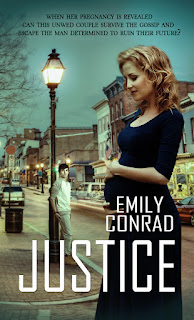
The love of a lifetime, a quest for justice, and redemption that can only be found by faith.

Jake thought he was meant to marry Brooklyn, but now she's pregnant, and he had nothing to do with it.

Brooklyn can’t bring herself to name the father as she wrestles with questions about what her pregnancy means and how it will affect her relationship with Jake.

If Harold Keen, the man who owns the bookstore across from Jake's coffee shop, has anything to do with it, the baby will ruin them both.

Can Jake and Brooklyn overcome the obstacles thrown in their path, and finally find the truth in God's love and in each other?

Amazon
Barnes and Noble

Tuesday, April 7, 2020

Going Beyond Pet Peeves to Serve Readers by Emily Conrad

Woman looking over top of open book
 
Writers are encouraged to be an active part of the reading community, and sometimes, we find encouragement there. Other times, discussions we witness online sap our will to write. A "pet peeve" thread in an online reader group can be especially disheartening.

If you're new to the kind of post I'm talking about, this is what happens: 

Someone in an online reader group will pose the question, “What are your pet peeves in fiction?”

Dozens of readers reply.

How could you ignore such valuable advice? This is a glimpse into readers’ minds!

Unfortunately, determining which comments are helpful advice and which are simply one reader's personal preference is difficult. And to study a list that focuses on the negetive can undermine a writer's confidence.

So, if you've read one of these threads and become discouraged, you're in good company. I've been there, too. But a month or two ago, I had an experience that, for once, stopped that downward spiral of thoughts before it could even start.

It Takes All Types


It started with a stop at my accountant's office. (Yes, before COVID-19 was the concern it is now.)

I hate doing my taxes, so I happily left my paperwork in her care.

As I got into my car, I thought, It takes all types. Everybody is different, and look how well we balance each other out!

This was still fresh on my mind when I came across a pet peeve post later that day.

In the thread, I found a comment in the thread that named the three oddly-specific pet peeves. Combined, that list sums up one of my short stories… right down to one of the main character’s names.

I might have gotten defensive, frustrated, or discouraged under other circumstances.

This time, I laughed.

It takes all types!

That commenter would not like my story, but it's been available free on my website for a couple of years now, and I’ve heard from others who have loved it.

The same variety that makes the larger world work results in a variety of tastes when it comes to readers.

And that's good because writers vary greatly in what we like to write, too.

Because of our variety, we meet each other's needs--even if no single readers enjoys every story and no single story finds universal praise.

woman browsing bookshelves

Narrowing the Focus


So, do reader opinions matter?

Of course! We each have a target audience to serve. Our job as writers isn't to create universally-pleasing content, but to serve our niche of readers as well as we can.

We won't do this if we take our cues from a generic pet peeve post because the readers who reply may or may not be part of our target audience. Even if they are, an element they dislike may be so minor that they'll read past it for a good story. Or, a larger element that might frustrate a particular reader in general may work in one specific story.

Instead, study books your target audience loves.
Once you've gained a basic understanding of what works and doesn't in your genre, reader groups become important again.

Pay attention to what readers say when they post about specific books. What elements do they praise? What are they less enthusiastic about? Why?

Notice your target audience's enthusiasm for their favorite novels, and let that inspire you to offer them something you know they'll love.

Applying What You've Learned to Your Story


Once you have a general understanding of what works and doesn't--and why--seek specific feedback from trusted sources on our own manuscripts.

Keep an open mind to suggestions. Balance them against what you know of your readers' tastes, and be extra mindful when more than one of your critique partners says something isn't working in your story.

woman reading in library


We write for readers. Their opinions are important, and only in serving them well will we build an audience.

But we also have to protect our hearts and our stories.

A list of pet peeves isn't a solid anchor for a story. The comments often conflict with each other, and don't necessarily speak to what's most important in a genre.

By mindfully studying our genre and our target audiences, we anchor our manuscripts in tried and true methods of engaging readers, making our stories that much more likely to bring positive reader reactions.


If you've ever been derailed by an online post where readers list their pet peeves, may this post encourage your writer heart. via @emilyrconrad #amwriting #amediting #seriouslywrite @MaryAFelkins

A list of pet peeves isn't a solid anchor for a story. The comments often conflict with each other and don't necessarily speak to what's most important. So how do we serve readers? @emilyrconrad #writing #seriouslywrite @MaryAFelkins

By mindfully studying our genre and our target audiences, we anchor our manuscripts in tried and true methods of engaging readers @emilyrconrad #seriouslywrite #writetip #writing @MaryAFelkins


PS - If you're in the mood for a somewhat sappy romantic short story, the one I referenced in this post is "Thirty-One and Falling," which is available for free here.

Photo credits
Woman looking over top of opened book photo by Kevin Lehtla on Unsplash
Woman reading in library photo by Eliott Reyna on Unsplash
Woman browsing bookshelves photo by Clay Banks on Unsplash


_______________________

Emily Conrad headshotEmily Conrad writes Christian romance and a blog to encourage women of faith. She lives in Wisconsin with her husband and two rescue dogs. She loves Jesus and enjoys road trips to the mountains, crafting stories, and drinking coffee. (It’s no coincidence her novel Justice is set mostly in a coffee shop!) She offers free short stories on her website and loves to connect with readers on social media.

www.emilyconradauthor.com
Facebook.com/emilyconradauthor
Instagram.com/emilyrconrad
Twitter.com/emilyrconrad

https://www.amazon.com/Justice-Emily-Conrad-ebook/dp/B0792HGXQN/JUSTICE

The love of a lifetime, a quest for justice, and redemption that can only be found by faith.

Jake thought he was meant to marry Brooklyn, but now she's pregnant, and he had nothing to do with it.

Brooklyn can’t bring herself to name the father as she wrestles with questions about what her pregnancy means and how it will affect her relationship with Jake.

If Harold Keen, the man who owns the bookstore across from Jake's coffee shop, has anything to do with it, the baby will ruin them both.

Can Jake and Brooklyn overcome the obstacles thrown in their path, and finally find the truth in God's love and in each other?

Amazon
Barnes and Noble

Tuesday, March 3, 2020

The Truth About the Writers We All Admire by Emily Conrad

stack of books
 
I have a friend who has a knack for writing striking devotionals. Despite their short length, she manages to pack memorable images and messages into just a few lines with finesse I admire (and honestly envy a bit).

Ironically, last week this friend surprised me by saying that when she writes a short non-fiction piece she’s happy with, she calls it “doing an Emily.”

Um, what?

I laughed and told her I have a document on my computer where I have over twenty pages of started and (so far) failed blog posts. (Since I’m drafting this post in said document right now, I can report that the true number of pages is thirty-five.)

I don’t remember exactly why I named this working document August, but I think I had ambitions of writing my posts for the month of August early one year, so I created a file in which to do so.

Word tells me that since I created the file in July, 2016, I’ve spent over 1000 hours editing it. I have no count of the hours I’ve spent editing directly in Blogger, where both Seriously Write and my personal blog are hosted, but they are many.


handwritten notebook


Writing is a way of life. A way of processing. But not every word is worth sharing, and those that are often do not come easy or fast.

As well as I know this about my own writing, I can forget when I read others' work.

We often only see the end result of each other's efforts. The heavily edited words, the final drafts.

Even between close friends who routinely help each other with critiques, sometimes we're unaware of what happens behind the scenes. My own friend, one who's heard my complaints about coming up with topics for posts and whom I believe I knew when I created August, didn't know such a file existed.

So, for the record, I have pages and pages of failed blog posts. I have entire novels on my hard drive that will likely never see publication. Poems. Stories. At least one essay.

So. Many. Documents.

I haven't gone rummaging through other writers' hard drives, but I don't have to see the deleted or ignored documents to know that those whose words I value also try and fail.

Writing is a struggle, and none of us are immune.

Behind each admirable piece, there’s an awful lot of work, false starts, and undeserved grace.

You may feel like you’re trying hard. Why does it come so easy to everyone else?

For the most part, it doesn't.

string of lights in open book


Good writing comes through God’s empowering grace. It comes through perseverance. It comes through showing up and putting in the hours quietly, in spaces no one will see.

No one but God, that is.

Jesus sees what we do in secret and will reward us for being faithful. When we submit to the humility of trying and failing, of working behind the scenes, of learning one word at a time, He does a work in us we cannot force. He sharpens skills and brings out the vibrant colors of a masterpiece.

Resting in this, we can set aside jealousy and comparison. We don't have the full picture of others' journeys to really compare to anyway.

On the level playing field of grace, writers are free to help and support each other, knowing that in due time, God will use everything we submit to Him.

Even that file of false starts.

Writing is a struggle, and none of us are immune. Behind each admirable piece, there’s an awful lot of work, false starts, and undeserved grace. via @emilyrconrad #amwriting #amediting #seriouslywrite @MaryAFelkins

On the level playing field of grace, writers are free to help and support each other, knowing that in due time, God will use everything we submit to Him. @emilyrconrad #writing #faithwriter #seriouslywrite @MaryAFelkins

Good writing comes through God’s empowering grace. It comes through perseverance. It comes through showing up and putting in the hours quietly, in spaces no one will see. @emilyrconrad #seriouslywrite #writetip #writing @MaryAFelkins

Photo credits
String of lights on open book photo by Nong Vang on Unsplash
Stack of books photo by Toa Heftiba on Unsplash
Handwritten book photo by Kiwihug on Unsplash
_______________________

Emily Conrad headshotEmily Conrad writes Christian romance and a blog to encourage women of faith. She lives in Wisconsin with her husband and two rescue dogs. She loves Jesus and enjoys road trips to the mountains, crafting stories, and drinking coffee. (It’s no coincidence her novel Justice is set mostly in a coffee shop!) She offers free short stories on her website and loves to connect with readers on social media.

www.emilyconradauthor.com
Facebook.com/emilyconradauthor
Instagram.com/emilyrconrad
Twitter.com/emilyrconrad

https://www.amazon.com/Justice-Emily-Conrad-ebook/dp/B0792HGXQN/JUSTICE

The love of a lifetime, a quest for justice, and redemption that can only be found by faith.

Jake thought he was meant to marry Brooklyn, but now she's pregnant, and he had nothing to do with it.

Brooklyn can’t bring herself to name the father as she wrestles with questions about what her pregnancy means and how it will affect her relationship with Jake.

If Harold Keen, the man who owns the bookstore across from Jake's coffee shop, has anything to do with it, the baby will ruin them both.

Can Jake and Brooklyn overcome the obstacles thrown in their path, and finally find the truth in God's love and in each other?

Amazon
Barnes and Noble

Tuesday, February 4, 2020

Every Letter Matters by Emily Conrad

 
The book’s tagline went something like this: A woman with a dark past and an evil enemy collie.

Wait. Did that just say collie?

As comical images filled my mind, I reread more carefully. The tagline should’ve read: A woman with a dark past and an evil enemy collide.

One letter makes quite a difference.

The word count feature recently reported that the story I’m editing right now is made up of half a million characters, including letters and spaces.

Though I love this story, it’s given me a fair amount of trouble. I’m on my third somewhat major revision. That means, writing the book took well over 500,000 keystrokes.

Tap, tap, tap. (Multiplied by 166,667!)


I never gave much thought to the single letter building blocks my hero and heroine and all their friends and faults and victories are made of.

But each is important, if that enemy collie is any proof.

Seeing that number helped me realize how much I’ve invested in the story and how each little letter impacts the whole.

At times in the writing life, progress seems to stall, but even the smallest keystrokes, revisions, and submissions add up.

Even if your novel is shorter than mine (which admittedly could use some cutting), you’ve likely amassed at least a quarter of a million keystrokes to compose even a short novel. And those keystrokes represent characters, plots, story arcs, hopes, and dreams.

If you’ve made it that far, take a deep breath. Appreciate the accomplishment.

If you haven’t completed a manuscript yet, you, too, can take heart. However much you’ve written, you’re on your way toward a massive accomplishment. One that would not be possible if you weren’t willing to invest in typing those first few words.

When we follow God to the keyboard, the task before us is monumental.


Not only will we strike these keys hundreds of thousands of times (or millions, if we don’t stop at our first couple of books), but our words carry weight one letter at a time. As they form on the page, God can breathe power into them that will reach readers we’ll never meet.

This writing thing is bigger than any of us, but the task is not bigger than the God we serve.

I know it’s easy to get bogged down in the process, but as long as we’re following Christ, one day, we’ll look back and see something far more amazing than a tally of our keystrokes.

Psalm 139 says each of our days are written in His book before there was one of them.

If our novels are made up of hundreds of thousands of keystrokes, and each of those carry meaning, can you imagine all the meaning and value God packs into the moments of our lives?

Sometimes, as we wait for the next big milestone, we forget the value of the little in-between moments. We get lost in the keystrokes.

But the Author of the Universe has penned our stories. Rather than concluding after two hundred or three hundred fifty pages, these stories stretch into eternity.

As His children, we’re promised a beautiful outcome there with Him.


In the meantime, we live one keystroke at a time in the faith that each will become a valuable part of our stories—the stories of our lives, and the stories we pen.

With God, each moment is worthwhile, and each letter makes a difference.


At times in the #writerslife, progress seems to stall, but even the smallest keystrokes, revisions, and submissions add up. via @emilyrconrad #nevergiveup #seriouslywrite

We live one keystroke at a time in the faith that each will become a valuable part of our stories—the stories of our lives, and the stories we pen. @emilyrconrad #writing #faithwriter #seriouslywrite

However much you’ve written, you’re on your way toward a massive accomplishment. One that would not be possible if you weren’t willing to invest in typing those first few words. @emilyrconrad #seriouslywrite #writetip #writing

Photo credits
Person using laptop Photo by Christin Hume on Unsplash
Typing on typewriter photo by MILKOVÍ on Unsplash
Typewriter keys photo by Laura Chouette on Unsplash


_______________________


Emily Conrad headshotEmily Conrad writes Christian romance and a blog to encourage women of faith. She lives in Wisconsin with her husband and two rescue dogs. She loves Jesus and enjoys road trips to the mountains, crafting stories, and drinking coffee. (It’s no coincidence her novel Justice is set mostly in a coffee shop!) She offers free short stories on her website and loves to connect with readers on social media.

www.emilyconradauthor.com
Facebook.com/emilyconradauthor
Instagram.com/emilyrconrad
Twitter.com/emilyrconrad

https://www.amazon.com/Justice-Emily-Conrad-ebook/dp/B0792HGXQN/JUSTICE

The love of a lifetime, a quest for justice, and redemption that can only be found by faith.

Jake thought he was meant to marry Brooklyn, but now she's pregnant, and he had nothing to do with it.

Brooklyn can’t bring herself to name the father as she wrestles with questions about what her pregnancy means and how it will affect her relationship with Jake.

If Harold Keen, the man who owns the bookstore across from Jake's coffee shop, has anything to do with it, the baby will ruin them both.

Can Jake and Brooklyn overcome the obstacles thrown in their path, and finally find the truth in God's love and in each other?


Amazon
Barnes and Noble

Tuesday, January 7, 2020

A Word to the Hurting on Resolutions by Emily Conrad

Numbers 2020 on wooden background


A new year has begun, but perhaps this start doesn’t feel fresh to you.

Perhaps you’ve experienced a loss or faced a difficult life event. Or maybe, a string of both has you knotted up.

Or rather than hardships, you’ve simply taken on something new. You’ve moved. You’ve started a new job. Perhaps gotten married or had a child. Your priorities have shifted, and you’re still not quite sure how to fit everything in.

Or maybe it's nothing so striking. Battle-weariness can creep up slowly, too, so we might not notice our exhaustion so much until we're presented with the extra challenge of tackling something new, like making a resolution.

The calendar marches on, and everyone talks about fresh starts and resolutions, but the thought of trying to better yourself or launch your writing to new levels could bring tears to your eyes.

Calendar showing month of January

On the one hand, I’m imagining what it’s like to feel that way at the start of a new year.

On the other, 2019 held some notable trials for me and my family.

Too overwhelmed by other circumstances, I couldn’t write for weeks. A manuscript I meant to finish took a couple of extra months (thankfully, I'm under only self-imposed deadlines). Blogging became difficult. My reading life changed, too.

God’s timing is not man’s timing. His word tells us there’s a time for everything, but God is certainly not bound by our calendar.

There's a time to pursue things even in the difficult, knowing our God goes before us. In those cases, celebrating New Year's with a resolution might help launch us into exactly what God has for us.

We are to number our days and make the most of them. Writing is an important part of that, but don’t fall into the trap of thinking the next milestone is everything.

God is everything.

And sometimes, our Shepherd leads us to rest beside quiet waters, where we can heal from loss, trauma, transition, and all that effort.

Sheep in pasture by water

If this new year finds you in the midst of difficult circumstances and you “can’t even,” the most important thing you can do is dig deeper into Christ.

Let the Good Shepherd lead you through the valley, and rest in the assurance that He will restore you and lift you up in His good time. A green pasture is before you. Quiet waters. The Good Shepherd will care for both you and the abilities He's given you. Stay by His side, and you can't go wrong.

In fact, even if you do feel up to setting goals, the most important resolution a Christian writer can make, the one we can strive for no matter what 2019 held or 2020 brings, is to grow ever closer to Jesus.

We are to number our days and make the most of them. #Writing is an important part of that, but don’t fall into the trap of thinking the next milestone is everything. via @emilyrconrad #resolutions #Christianwriter #seriouslywrite

If this #NewYear finds you in the midst of difficult circumstances and you “can’t even,” the most important thing you can do is dig deeper into Christ. @emilyrconrad #writing #resolutions #seriouslywrite

The most important resolution a Christian writer can make, the one we can strive for no matter what 2019 held or 2020 brings, is to grow ever closer to #Jesus. @emilyrconrad #seriouslywrite #NewYear #writing

Photo credits
2020 photo by Jamie Street on Unsplash
January calendar photo by Maddi Bazzocco on Unsplash

Sheep photo by Millie Olsen on Unsplash


_______________________


Emily Conrad headshotEmily Conrad writes Christian romance and a blog to encourage women of faith. Her debut novel, Justice, released from Pelican Book Group in 2018. She lives in Wisconsin with her husband and two rescue dogs. She loves Jesus and enjoys road trips to the mountains, crafting stories, and drinking coffee. (It’s no coincidence Justice is set mostly in a coffee shop!) She offers free short stories on her website and loves to connect with readers on social media.

www.emilyconradauthor.com
Facebook.com/emilyconradauthor
Instagram.com/emilyrconrad
Twitter.com/emilyrconrad

https://www.amazon.com/Justice-Emily-Conrad-ebook/dp/B0792HGXQN/JUSTICE

The love of a lifetime, a quest for justice, and redemption that can only be found by faith.

Jake thought he was meant to marry Brooklyn, but now she's pregnant, and he had nothing to do with it.

Brooklyn can’t bring herself to name the father as she wrestles with questions about what her pregnancy means and how it will affect her relationship with Jake.

If Harold Keen, the man who owns the bookstore across from Jake's coffee shop, has anything to do with it, the baby will ruin them both.

Can Jake and Brooklyn overcome the obstacles thrown in their path, and finally find the truth in God's love and in each other?


Amazon
Barnes and Noble

Tuesday, December 3, 2019

Editing Our Thoughts as Carefully as Our Words by Emily Conrad

fountain pen writing

I have a critique partner who rightly gets after me for using “weasel words.”

As she reviewed my latest manuscript, she drew my attention again and again to words like was and it. Reminded to choose my words more carefully, I noticed others she didn’t point out as often—that, just, finally, and now.

Realizing I’d let my attention to varied, vibrant language slip, I used the search function to highlight every one of those six words in the entire manuscript, then reviewed every. Single. Instance. Of each of them.

Some, I left. Many, I rewrote.

The task took considerable time, but the manuscript shines for the effort. (To get a feel for the impact, consider whether that sentence would carry the same punch if I’d written: It was time-consuming, but the manuscript shines because I did it. Now multiply that by an entire novel.)

After I tamed the weasels in my work-in-progress, however, I noticed another kind of weasel posing an even bigger threat to my writing.

Weasel thoughts.

You know the ones:

God isn’t using me.

I’m all on my own.

My manuscripts will never be accepted by an agent or editor.

I could never write like she does.

And on and on.
fountain pen with ink dot

These negative thoughts, like words we so easily overuse, creep in when we’re not vigilant.

If we let the issue go unaddressed, those weasels grow bigger and multiply, fed by each rejection, setback, and disappointment. Soon, they run as rampant in our minds as weasel words can in our manuscripts.

The more we think them, the more we believe them. The more we believe them, the less we’ll write.

So, as we strive to improve in our writing craft, let’s also carefully manage our thoughts.

The trick with editing a manuscript for weasel words is not simply to delete every sentence containing one but, rather, to reword the line for the strongest impact.

With weasel thoughts, instead of rewording to convey the same meaning, we need to replace the negative with a faith-filled positive.

God isn’t using me becomes God has good purposes for me. (Jeremiah 29:11, Ephesians 2:10)

I’m all on my own becomes The Lord goes with me. (Matthew 28:20, Joshua 1:9)

My manuscripts will never get accepted by an agent or editor becomes God will open the right doors for me at the right time. (Psalm 138:8, 1 Peter 5:6)

I could never write like she does becomes I have been gifted in a unique way for a unique purpose. (1 Corinthians 12:12-14)
Fountain pen that's written the word love

Weasel words will overrun our writing. Weasel thoughts will prevent us from writing in the first place. Both can prove to be challenging opponents, but you're not in this journey alone.

Friends, both inside and outside the writing world, can help pinpoint weasel thoughts and might be able to point you to Scripture that can combat the problem.

And, of course, prayer should be an important part of the editing process--whether we're talking weasel words or thoughts. God is concerned with every aspect of our lives, and invites us to bring our cares to Him.

Weasels are no match for the One who can do all things.
_____________________

P.S. Want some help finding the weasel words in your manuscript? Kregel editor Janyre Tromp created a list of 75 words to look out for in your work. As she wisely warns us, the key isn’t to delete them all, but to ensure that each instance is necessary. You can snag a copy (and benefit from the wisdom of two professional editors in other areas, too) by joining the Facebook group Editing Insiders with Janyre and Sarah. Once you’re in, search the group’s posts with the word “download” to find the link.


_____________________

Weasel words will overrun our writing. Weasel thoughts will prevent us from writing in the first place. @emilyrconrad shares thoughts on #editing out both as a #Christianwriter #seriouslywrite

Weasel thoughts. The more we think them, the more we believe them. The more we believe them, the less we’ll write. @emilyrconrad #writing #christianfiction #seriouslywrite

Negative thoughts, like words we so easily overuse, creep in when we’re not vigilant. @emilyrconrad #seriouslywrite #writetip #writing


Photo credits
Fountain pen writing photo by Aaron Burden on Unsplash

Pen with ink dot photo by Nicolas Thomas on Unsplash

Love fountain pen photo by John Jennings on Unsplash

Graphics created on Canva.com


Emily Conrad headshotEmily Conrad writes Christian romance and a blog to encourage women of faith. Her debut novel, Justice, released from Pelican Book Group in 2018. She lives in Wisconsin with her husband and two rescue dogs. She loves Jesus and enjoys road trips to the mountains, crafting stories, and drinking coffee. (It’s no coincidence Justice is set mostly in a coffee shop!) She offers free short stories on her website and loves to connect with readers on social media.

www.emilyconradauthor.com
Facebook.com/emilyconradauthor
Instagram.com/emilyrconrad
Twitter.com/emilyrconrad

https://www.amazon.com/Justice-Emily-Conrad-ebook/dp/B0792HGXQN/JUSTICE

The love of a lifetime, a quest for justice, and redemption that can only be found by faith.

Jake thought he was meant to marry Brooklyn, but now she's pregnant, and he had nothing to do with it.

Brooklyn can’t bring herself to name the father as she wrestles with questions about what her pregnancy means and how it will affect her relationship with Jake.

If Harold Keen, the man who owns the bookstore across from Jake's coffee shop, has anything to do with it, the baby will ruin them both.

Can Jake and Brooklyn overcome the obstacles thrown in their path, and finally find the truth in God's love and in each other?


Amazon
Barnes and Noble


Tuesday, November 5, 2019

When Words Are Scarce by Emily Conrad

Blank Postcard

Writers write.

That’s the only qualification we have to meet to call ourselves writers: we must write.

It sounds easy, but writing is much more complicated than a two- or three-word sentence.

In order to write, we make space in our schedules and we take care of ourselves so we can have both the time and the energy. But, even when these variables are under control, we sometimes lack the spark of inspiration.

Even if we want to write, even if we sit down to write, words do not always appear on the page.

I would know. It’s November, and I’m still trying to wrap up a manuscript I started in February and hoped to finish before August. Entire weeks have gone by without my adding to the word total of the work in progress.

But after months of struggle, on October 27th, I wrote more than 4000 words. That’s more than double what I usually can write—on a good day. What’s more, this standout day is part of a larger streak, where I wrote 24,000 words in just over two weeks. That's an incredible run, considering the first 58,000 words took me about eight months.

So what happened?

God answered a prayer.
Typewriter

As a Christian writer, I’m concerned that my words would honor Him. When I pray about my writing, that tends to be the direction my petitions go.

Lord, whatever I write, may my words bring You glory.

I still want my words to bring God glory, but I've realized now pride laced that prayer. I had this underlying belief that I'd be able to write because of factors I could control. Difficult hours at (or avoiding) the keyboard proved me wrong.

I need God to provide words in the first place, and also for Him to shape those words in the way He desires to fulfill His purposes. So, about two weeks ago, I switched the focus of my prayer.

I prayed for God to give me words.

Ask, and you’ll receive. He's answered that prayer abundantly.

a blank open book

As I write this post, describing what happened, part of me feels like a disclaimer is necessary. This past year has brought some tough events, and it could be that I’ve made progress in healing. I’ve also been using some calming, inspiring routines, like burning a candle and listening to music.

And yet, as the words started to flow, I knew. I knew I’d just changed my prayers, and I knew that whatever tools God used to get me to this breakthrough, the resulting words are from Him.

Routines and moods and all the self-care in the world won’t result in words unless God provides them. God, the Master Creator, the Word become flesh, is the one who gives all good gifts, including any words we might be eager to give back to Him.

Writers write, but Christian writers never write alone.

As we pray for our writing, may we never neglect to acknowledge that we have nothing to dedicate to God that He doesn't give us first. May we humbly ask Him to provide inspiration and words and then ask that He would use those words when and how He sees fit.

Lord, creativity and inspiration come from You. I pray you would give me just the right words today for each project I approach, whether it's a novel, a blog post, or an interaction with a friend. Without You, I have nothing, so I pray you would provide all that I need to serve You. May all my words be pleasing to You and bring glory to Your name.


_____________________

Writers write. It sounds easy, but writing is much more complicated than a two-word sentence. @emilyrconrad on defeating #writersblock as a #Christianwriter #seriouslywrite

God, the Master Creator, the Word become flesh, is the one who gives all good gifts, including any words we might be eager to give back to Him. @emilyrconrad on #writersblock and #writing #christianfiction for #seriouslywrite

Writers write, but Christian #writers never write alone. @emilyrconrad on #writersblock for #seriouslywrite #writetip


Photo credits
Blank postcard photo by Kelly Sikkema on Unsplash
Typewriter photo by Florian Klauer on Unsplash
Blank book photo by Martha Dominguez de Gouveia on Unsplash


Graphics created on Canva.com


Emily Conrad headshotEmily Conrad writes Christian romance and a blog to encourage women of faith. Her debut novel, Justice, released from Pelican Book Group in 2018. She lives in Wisconsin with her husband and two rescue dogs. She loves Jesus and enjoys road trips to the mountains, crafting stories, and drinking coffee. (It’s no coincidence Justice is set mostly in a coffee shop!) She offers free short stories on her website and loves to connect with readers on social media.

www.emilyconradauthor.com
Facebook.com/emilyconradauthor
Instagram.com/emilyrconrad
Twitter.com/emilyrconrad

https://www.amazon.com/Justice-Emily-Conrad-ebook/dp/B0792HGXQN/JUSTICE

The love of a lifetime, a quest for justice, and redemption that can only be found by faith.

Jake thought he was meant to marry Brooklyn, but now she's pregnant, and he had nothing to do with it.

Brooklyn can’t bring herself to name the father as she wrestles with questions about what her pregnancy means and how it will affect her relationship with Jake.

If Harold Keen, the man who owns the bookstore across from Jake's coffee shop, has anything to do with it, the baby will ruin them both.

Can Jake and Brooklyn overcome the obstacles thrown in their path, and finally find the truth in God's love and in each other?


Amazon
Barnes and Noble

Tuesday, October 1, 2019

Harvesting Life Experiences for Writing by Emily Conrad

Tomato Harvest


I’m growing tomatoes this year, but the process hasn’t been completely smooth. Thanks to squirrels, bugs, and my own errors in judging when a tomato is ripe, some fruit isn’t fit for human consumption.

I sometimes run into similar problems when I go to harvest life experiences by writing about them.

Generally, writing helps me process and draws me back to faith again and again. When I share about tough situations in a way that might encourage others, I feel like good has come from a situation. In a way, that event has been redeemed.

However, when I try to pick certain experiences for writing, I find them unfit for sharing—spoiled. Perhaps the event isn’t my story to tell, the telling would hurt someone, or I don’t yet have perspective to write about the experience in a helpful way.

Like those tomatoes, these experiences seem like a waste.

However, before I abandoned all the spoiled tomatoes to nature, I realized even a damaged tomato holds great potential: seeds.

tomato seed packet


I can gather the seeds, wait for them to dry, and then use them to start my garden next year—and for a lot less than I paid for seeds this year! I’ll have enough to share seeds or seedlings with friends for their gardens, too. And all from something I thought was a loss.

Likewise, none of our experiences are losses. God can use them all, even if first, we must wait. Maybe it’ll take longer than one winter, but someday, in some way, God can use the perspective we gain from our trials to bless someone else.

As writers, when we gather the seeds of inspiration by taking notes we can’t use yet, we’re storing up for a purposeful planting in the future. We can grow a bountiful garden--a whole variety of written works--from our experiences, as long as we wait until the timing is right. Until the pain, questions, or even wonder has matured into perspective.

Would you believe there’s even a biblical example of this?

When the shepherds got Jesus’s birth announcement from the angels and went and saw the new little family, "they related what they had been told about this child [...] But Mary treasured up all these words, pondering in her heart what they might mean." Luke 2:17, 19, NET

What a contrast. The shepherds spread the word while Mary gathered the seeds of an experience that must’ve seemed far too big and wonderful and confusing and even dangerous for her. She waited and she watched.

Did she later share her testimony? Is that how her part of the story came to be included in the Gospel of Luke? I don’t know. Certainly, God could’ve revealed it another way. But in that little sentence where Mary quietly stores up all that is happening, I see a heart willing to wait on God’s direction and timing.
tomato seeds

It’s not our job to redeem our experiences. We’re called to be witnesses for our Heavenly Father, telling others about what He’s done when and where He directs us to. Sometimes, we get to harvest our experiences by writing about them immediately. Other times, God may ask us to spend time gathering seeds, waiting, planting, and growing.

Regardless, with God, nothing is lost. Nothing is wasted. All our experiences are part of His plan for the good of His people. He—not our own writing—is our Redeemer.

_____________________

I find some life experiences unfit for sharing. Perhaps the event isn’t my story to tell or I don’t yet have perspective to write about the experience in a helpful way. Are these experiences wasted? @emilyrconrad for #seriouslywrite #writetip

We can grow a bountiful garden--a whole variety of written works--from our experiences, as long as we wait until the timing is right. @emilyrconrad on #writing about real life #seriouslywrite

With God, nothing is lost. Nothing is wasted. All our experiences are part of His plan for the good of His people. @emilyrconrad on writing about real life #seriouslywrite #writetip


Photo credits
Tomato and seed photos by Emily Conrad
Graphics created on Canva.com


Emily Conrad headshotEmily Conrad writes Christian romance and a blog to encourage women of faith. Her debut novel, Justice, released from Pelican Book Group in 2018. She lives in Wisconsin with her husband and two rescue dogs. She loves Jesus and enjoys road trips to the mountains, crafting stories, and drinking coffee. (It’s no coincidence Justice is set mostly in a coffee shop!) She offers free short stories on her website and loves to connect with readers on social media.

www.emilyconradauthor.com
Facebook.com/emilyconradauthor
Instagram.com/emilyrconrad
Twitter.com/emilyrconrad

https://www.amazon.com/Justice-Emily-Conrad-ebook/dp/B0792HGXQN/JUSTICE

Jake thought he was meant to marry Brooklyn, but now she's pregnant, and he had nothing to do with it. Brooklyn can’t bring herself to name the father as she wrestles with questions about what her pregnancy means and how it will affect her relationship with Jake. If Harold Keen, the man who owns the bookstore across from Jake's coffee shop, has anything to do with it, the baby will ruin them both. Can Jake and Brooklyn overcome the obstacles thrown in their path, and finally find the truth in God's love and in each other?


Amazon
Barnes and Noble

Tuesday, September 3, 2019

Writing: A Worthwhile Risk by Emily Conrad

journal
 
We each risk something when we write. The risk is different for each of us. It relates to our fears, who we are, and who we want to be.

As a people-pleaser, I risk rejection by writing. As a perfectionist, I risk showing my imperfections. As a believer, I risk conflict. As one who’s been broken, I risk showing my vulnerabilities. As one who’s being healed again each day, I risk raising questions I can’t answer. As one who is growing, I risk error. As one who needs to live within certain means, I risk investing in a career that will never pay me back financially. As one with numbered days, I risk my time on words that may never touch a reader.

Risk is penned into the curves and corners of each letter. When those risks become reality, that’s the cost of writing.

We can reap wonderful benefits as we write, too, but we can never know in advance what the outcome will be for any particular piece.

And so, we feel the risk when we make submissions. We feel it when our siblings/mothers/best friends read our manuscripts. We feel it when we field feedback, when we sit across from an agent as they read our pages, when we gulp and act on an editor’s request for a full.

writing in notebook


As drawn as we are to words, the risk whispers doubts. And when we must pay a cost—when we’re rejected or misunderstood or wrong or fill-in-the-blank, risk says, “I told you so.” The doubts shout that continuing isn’t worth risking more.

And then we have a choice.

Yes, a choice.

Though writers are drawn to words and sometimes claim we don’t have a choice about being writers, the truth is, we do.

We could quit. We could cut our losses, refuse to risk anything more or pay a price any higher than we already have.

Writing is a choice, and a brave one.

So why risk so much on words?

Because risk is inherent in touching hearts and changing lives. It’s inherent in attempting to make someone smile or sigh. Loving like Christ loves is a risk. He was rejected and despised, after all. And yet, to this kind of love we are called.

writing is a brave choice

When we focus on meeting someone else’s needs to the point that we’re willing to be vulnerable about our own struggles, we break down walls. When we risk words, we unbury our similarities despite our differences. Jesus can use words to illuminate truth with light that is somehow both gentle enough to get past defenses and searing enough to refine hearts. Our own hearts first, and then the hearts of others.

Words come with risk, but they also have magnificent power. As believers in the Word become flesh, we have access to the Spirit who can give us stories that will change eternities.

If God calls us to some other mission instead of (or in addition to) writing, so be it. But whatever that mission is, it will also come with risk. So when we consider our choice to continue writing or not, let’s never let the risk deter us.

Make the courageous choice. Write the story. Risk it all in the name of your Author’s love. Risk it all for the readers who need what Christ can say through your words. Risk it for the work Your Father will do in your own heart as you put His call before your worries.

___________________________________


Though writers are drawn to words and sometimes claim we don’t have a choice about being writers, the truth is, we do. #Writing is a choice, and a brave one. @emilyrconrad on #seriouslywrite #faithwriter

Make the courageous choice. Write the story. Risk it all in the name of your Author’s love. A #writetip for the #Christianwriter from @emilyrconrad on #seriouslywrite

Words come with risk, but they also have magnificent power. As believers in the Word become flesh, we have access to the Spirit who can give us stories that will change eternities. @emilyrconrad on #seriouslywrite #faithwriter #writing


Rose and notebook photos by Emily Conrad

Graphics created on Canva.com


Emily Conrad headshotEmily Conrad writes Christian romance and a blog to encourage women of faith. Her debut novel, Justice, released from Pelican Book Group in 2018. She lives in Wisconsin with her husband and two rescue dogs. She loves Jesus and enjoys road trips to the mountains, crafting stories, and drinking coffee. (It’s no coincidence Justice is set mostly in a coffee shop!) She offers free short stories on her website and loves to connect with readers on social media.

www.emilyconradauthor.com
Facebook.com/emilyconradauthor
Instagram.com/emilyrconrad
Twitter.com/emilyrconrad

https://www.amazon.com/Justice-Emily-Conrad-ebook/dp/B0792HGXQN/JUSTICE

Jake thought he was meant to marry Brooklyn, but now she's pregnant, and he had nothing to do with it. Brooklyn can’t bring herself to name the father as she wrestles with questions about what her pregnancy means and how it will affect her relationship with Jake. If Harold Keen, the man who owns the bookstore across from Jake's coffee shop, has anything to do with it, the baby will ruin them both. Can Jake and Brooklyn overcome the obstacles thrown in their path, and finally find the truth in God's love and in each other?


Amazon
Barnes and Noble