Showing posts with label Lorena McCourtney. Show all posts

Tuesday, July 15, 2014

How Much of Yourself Do You Put into Your Book by Lorena McCourtney

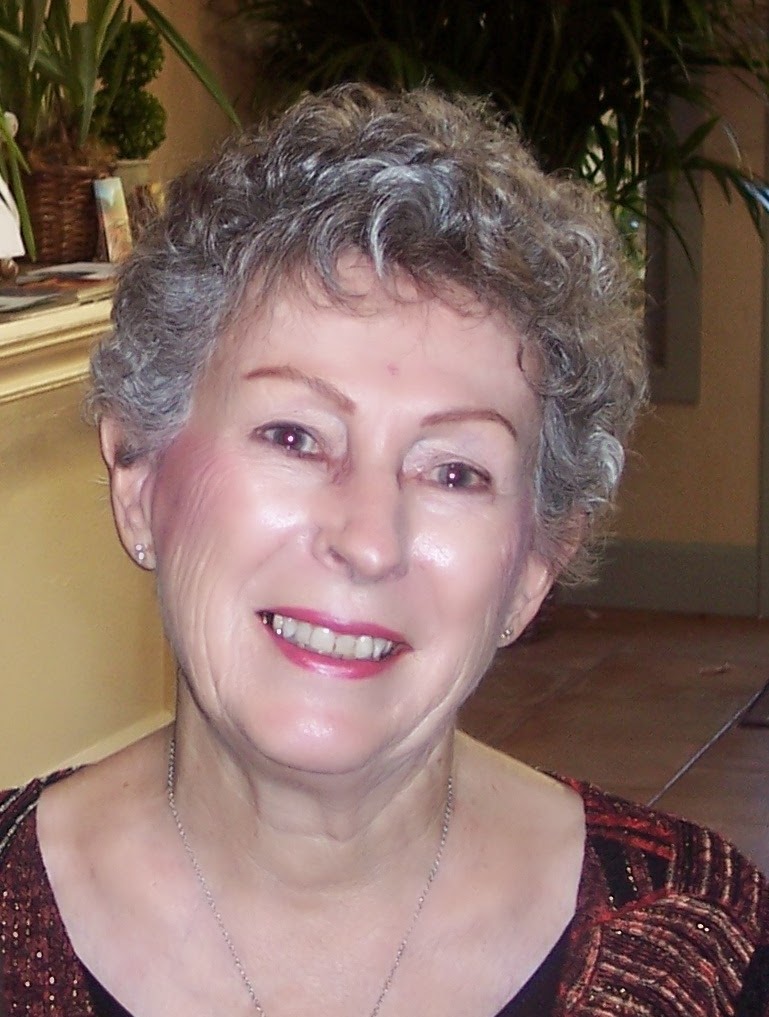
Lorena McCourtney
How much of herself (and her friends and relatives!) does a writer put into her characters and plot?

You read a great book and then start to wonder. Did the author make this up, or are the characters and situations actually part of the author’s own life? Was her own child kidnapped? Is she deathly afraid of snakes? Was her husband murdered?

I write mysteries in which a dead body usually turns up, and I’ve had readers ask me if I really discovered a dead body and solved a murder.

Well . . . no.

Some authors may use characters and events taken directly from their own lives, with or without telling the reader that this is what they’ve done. But in my own writing, I’ve never written anything that was fully autobiographical. I’ve never grabbed a character out of real life and stuck him or her in a book.
But bits and pieces of me, or friends or relatives, are in almost all my characters (villains as well as heros and heroines!), and bits and pieces of events in a book often come from something in my life. But I want to emphasize those three words: bits and pieces.

How does this work?

Cate Kinkaid, lead character in the Cate Kinkaid Files mystery series, likes cats. This isn’t a particularly unusual trait, but it comes straight from me. I like cats. Cate has doubts about the value of feng shui. Me too. Cate has a small scar on her hand from a childhood incident. This is only one line in the book – but it came from the scar I still have on my hand from a long-ago childhood grab at a hot stove handle.

A woman Cate meets in Book #1 is especially fond of pansies because they bloom all winter around her Oregon home. This is another one-line remark in the book, but it came because I’ve been surprised and impressed how my pansies bloom so cheerfully even in winter cold and rain.

Uncle Joe in that same book broke his hip in a fall from a ladder. That was personal experience: falling off ladders is practically a family trait with my husband and me. Neither of us broke a hip in our falls,, but my mother-in-law did. It was a lengthy and sometimes difficult recovery period. So that went in the book too.

A member of the Whodunit Club in that same book always wears purple. A woman I didn’t know but whom I saw occasionally at a church I went to a long time ago, sticks in my memory because she was always in purple. Another whodunit member mentions that she was in a garden club that actually disbanded because of one disagreeable member, then reorganized without her. This happened in a writers’ group I belonged to briefly.

In the current Cate Kinkaid book, “Death Takes a Ride,” Clancy, the motorcycle-loving dog, got in the book because of a biker acquaintance who always carried his dog, complete with goggles, in a box on his bike. The ex-trophy-wife Candy can do an impressive spin in her high-heeled boots. This was a reverse-of-me trait, in that I’m a total klutz in heels. The antique car restoration business in the book came from my husband’s interest in old cars.

As has been said before, it’s all grist for the writer’s mill.

One character who has more of me in her than any other I’ve written is Ivy Malone. (Some of you may be familiar with her in “Invisible,” “In Plain Sight,” “On the Run” and “Stranded.”) Ivy is the older woman who discovers she seems to have aged into invisibility, that a good many people just don’t see her any more. It’s a main premise of the book. This came straight from my own growing-older experience with “invisibility.” Ivy has other traits that are parts of me: the “black thumb” when it comes to growing anything. My Christian faith, of course. My annoyance with people who call me “Young Lady.” Ivy has leanings toward eccentricity; me too. Ivy hates grits; me too. Her experiment with dying her possum-gray hair was a disaster; so was mine.

But Ivy is definitely not all me. She’s much more adventurous, willing to spend nights on lookout for vandals in a cemetery. She’s also more outgoing (I’m the poster gal for introvert.)

What about those villains that have some bit or piece of me? Well, I’ll just let that remain a mystery. A writer can’t give up all her secrets.

So if you’re a writer, I’d certainly say to look within yourself – and within your friends and relatives too – for interesting traits and quirks to make your characters into real people. This is a rich source of material. If you’re worried someone will recognize an unflattering bit about themselves, change it just enough to protect the innocent (which is you). Although it’s been my experience that some people will “recognize” themselves even when you didn’t have that person in mind at all, and when a real person does read something you actually based on him or her – they probably won’t recognize themselves anyway!

How much of yourself do you put in your writing? Share some of your favorites below -- we'd love to hear from you!
About the Author
Lorena McCourtney came to writing faith-based mystery/romances in a roundabout way. She started writing in the fifth grade, always stories about horses. This love of horses carried her through a degree in agriculture from Washington State University, and a job with a big midwestern meat-packing business (where she quickly learned writing about raising hogs and making sausage was not her life calling). Marriage and motherhood intervened, and by the time she got back to writing, she knew fiction was what I wanted to do. McCourtney wrote many short stories for children and teenagers, eventually turned to book-length romances, and now to the faith-based mystery/romances that she feels are her real home. She and her husband live in southern Oregon, where their only livestock now is one eccentric cat.

To learn more, please visit:
Website: http://www.lorenamccourtney.com
Death Takes a Ride
by Lorena McCourtney
Facebook “Friends” page (friend invitations welcome!)
https://www.facebook.com/lorena.mccourtney?fref=ts
Facebook “Author” page (likes welcome!)
https://www.facebook.com/pages/Lorena-McCourtney-Author/162791407088397?fref=ts

Death Takes a Ride
Cate Kinkaid arrives at H&B Classic Auto Restorations to give a friend a ride. But, as usual, trouble
Bestselling and award-winning author Lorena McCourtney takes readers on another wild ride of mystery in this clever cozy mystery, part of her popular series The Cate Kinkaid Files.

finds Kate even there--this time in the form of one dead man, one wounded man, and what appears to be a pretty obvious case of self-defense. Owner Matt Halliday wants to hire her, but not for this case. Instead, Cate is charged with finding a man who owns a particular motorcycle Matt would like to buy. As her search progresses, she begins to suspect that the shooting in Matt's office may not have been as cut-and-dried as it appeared.

Angie here -- to read my review of Death Takes A Ride, click here.

Tuesday, October 8, 2013

Writing Through Adversity by Lorena McCourtney

This subject has hit home for me in the past year. Health issues (for both my husband and me) and a tragic death in the family, while at the same time trying to meet a deadline on a book, have made for a difficult time. I know I’m not the only one, so if you too are trying to “write through adversity,” here are a few thoughts on the subject.

Ask your editor/publisher for a deadline extension. This may sound like a no-brainer, but I’ve known writers who have doggedly struggled to meet a deadline but at the last minute unavoidably had to ask for that extension. This isn’t fair because publishers have schedules worked out well in advance, and a last-minute request throws everything off. So ask earlier on. It will take pressure off both you and the editor. (Of course, some disasters happen at the last minute. In that case, that’s when you’ll have to ask for the extension.)

If your deadline is self-imposed rather than with a publisher, give yourself some extra time. But set up another deadline, or perhaps a series of small deadlines. Without any deadline, the project may slip off into that black hole of unfinished stories.

I’ve never been one to be able to write half a page today, half a page tomorrow, and come up with anything cohesive. But if you can do this – do it!

If you haven’t time or energy to write anything, at least read through what you’ve already written on a regular basis. This will help keep your story in mind, and you won’t go back to it someday wondering – who are these people? What was supposed to happen next?

Keep a pad or notebook with you at all times, including when you’re sitting in that hospital waiting room. Tiny thoughts, my husband calls them “flashes,” may occur to you even when you aren’t actually thinking about your writing project. Jot them down. They’ll be forgotten if you don’t, and I find it helpful when I go back to a story to have a pile of thoughts and ideas to work with. (Though I sometimes wonder, with a note such as Joe/Mitch/that woman in store, What was I thinking?)

Social media: If keeping in touch with writers and friends is helpful for you, this is another of those Do it things. But don’t feel obliged, if it just feels like an stressful task that must get done.


And talk to the Lord about it. Yes, you’re undoubtedly already including prayers for resolution of whatever this crisis is in your life, but talk to Him too about coping with this writing problem. Others can probably see the trials you are going through with medical problems and death, but they not know, or understand if they do know, how despairing some of us feel when we can’t write. But God knows. Talk to Him about it!

Click to Tweet
If you haven’t time to write anything, at least read through what you’ve already written. Click to Tweet
Keep a pad with you at all times, even at the hospital, to write those tiny thoughts. Click to Tweet
Talk to Him too about coping with this writing problem. God knows. Talk to Him about it! Click to Tweet
About Lorena McCourtney . . .
I came to writing faith-based mystery/romances in a roundabout way. I started writing in the fifth grade, always stories about horses. This love of horses carried me through a degree in agriculture from Washington State University, and a job with a big midwestern meat-packing business. (Where I quickly learned writing about raising hogs and making sausage was not my life calling.) Marriage and motherhood intervened, and by the time I got back to writing, I knew fiction was what I wanted to do. I wrote many short stories for children and teenagers, eventually turned to book-length romances, and now to the faith-based mystery/romances that I feel are my real home. My husband and I live in southern Oregon, where our only livestock now is one eccentric cat.

To learn more, please visit:
Website: http://www.lorenamccourtney.com
Facebook “Friends” page (friend invitations welcome!)
https://www.facebook.com/lorena.mccourtney?fref=ts
Facebook “Author” page (likes welcome!)
https://www.facebook.com/pages/Lorena-McCourtney-Author/162791407088397?fref=ts

Dolled Up to Die, Book #2 in the Cate Kincaid Files
When Cate responds to a frantic call about a triple homicide, she finds the victims aren't exactly what she expects. Now she has a new rule to add to those she's learning as an assistant private investigator: always check to find out if the victims actually have human DNA. Because these three do not. Although another victim quickly turns up, and this very dead ex-husband has a full quota of human DNA.

And Cate is off on another rollicking adventure involving a beautiful trophy wife, a woman who claims she can reveal your past lives, and hunky Mitch Berenski, who is having serious doubts about Cate as a PI. Oh yes - there's a killer in there too.

Available in print and e-book at:
Barnes and Noble
Amazon
Christianbook.com

Be sure to check out Lorna's encouraging post on Dawn Kinzer's day, July 26th, too.

Friday, July 26, 2013

A Patchwork Quilt of Thoughts by Lorena McCourtney


Lorena McCourtney

Author Lorena McCourtney is here with us today, sharing wisdom she’s gained while on her own writing journey.
~ Dawn


A Patchwork Quilt of Thoughts
by Lorena McCourtney

I’m no good at crafts, but I do have a patchwork quilt of thoughts about writing and publishing that I’ve learned over the years. You may find some of the scraps and pieces in it useful.

1. Don’t wait for the muse of inspiration to hit you to write. The muse tends to be about as cooperative as a wet cat. Write anyway.

2. Don’t let the need for perfection – the perfect word, the perfect sentence – block your writing. Try for the best you can do on any given day, but if perfection is out of reach, settle for something less. On days when everything you write reads like junk, settle for junk on that day. Keep writing. On a better day, you can edit, and you can’t edit a blank page.

3. If you don’t already have a system or technique for your writing, try out what others say to do. Some people outline briefly, some extensively. Some “seat of the pants” people don’t outline at all. They see where a story takes them. Some people write straight through, no editing. Others edit as they go. Just don’t believe that someone else’s system is the only acceptable one. Try it – if it works for you, great! Use it. If it doesn’t work, try something else.

4. Don’t think that grammar, punctuation and spelling are unimportant, that a copyeditor or proofreader will fix everything. You don’t need to fuss about these details on a red hot writing day, but you do need to fuss about them before sending them off to an editor or agent. If either sees numerous grammar, punctuation and spelling mistakes, your work probably won’t ever get to that copyeditor or proofreader to fix the mistakes.

5. Research. At least two ways to do it. Immerse yourself in the subject. Read everything you can about it. This is valuable if you’re writing about a particular historical era. You can get new ideas for your story from it. But you can also research on an as-you-need-to-know basis. Your heroine needs a gun. Look up enough to give her an appropriate weapon. You don’t need to immerse yourself in guns to do it. Leave a blank hole in your story, come back later and fill it with the proper information.

6.  Play nice. Things go wrong. Editors and copyeditors do strange things to your story. The publicity department seems to ignore your book. If you have a legitimate gripe, you might mention it, but don’t be so rude and cutting that you burn bridges. People in the publishing world move around and you’re apt to run into this same person at another publisher. Along with this, learn to live with those nasty reviews everyone gets sooner or later. Starting a flame war with the reviewer will only make people more curious about what the review said and more people will see it. Ignore it and move on.

I’ve also heard about a few writers who have encouraged friends to write nasty reviews about a competitor’s book. No, no, no – never!

I repeat: Play nice!


Tweetables:


Author Lorena McCourtney shares a patchwork quilt of thoughts about writing. Click to tweet.


Author Lorena McCourtney shares 6 tips on writing and publishing. Click to tweet.


Never write nasty reviews about a competitor’s book. Play nice! Click to tweet.


When Cate Kinkaid receives a frantic call about a triple homicide, she drives to the scene against her better judgment--aren't triple homicides more up the police department's alley?--only to find that the victims are not quite who she expects. Now she has a new rule to add to those she's learned in her short stint as an assistant private investigator: always find out if the victims actually have human DNA. Because these three do not.

But who would shoot this nice lady's dolls? What possible reason could the shooter have? And then there's the startling discovery of another victim, who definitely does have human DNA . . .


About Lorena McCourtney . . .

I came to writing faith-based mystery/romances in a roundabout way. I started writing in the fifth grade, always stories about horses. This love of horses carried me through a degree in agriculture from Washington State University, and a job with a big midwestern meat-packing business. (Where I quickly learned writing about raising hogs and making sausage was not my life calling.) Marriage and motherhood intervened, and by the time I got back to writing, I knew fiction was what I wanted to do. I wrote many short stories for children and teenagers, eventually turned to book-length romances, and now to the faith-based mystery/romances that I feel are my real home. My husband and I live in southern Oregon, where our only livestock now is one eccentric cat.

To learn more, please visit:


Facebook “Friends” page (friend invitations welcome!)  

Facebook “Author” page (likes welcome!)


Tuesday, August 28, 2012

Where Do You Get Your Ideas? by Lorena McCourtney

Lorena McCourtney is one of my favorite mystery writers because her characters are so real. She doesn't use superheroes. No, they are ordinary people who use their faults, weaknesses, and faith to get extraordinary results. Her uplifting stories always offer a bit of hope to flawed readers, like me. Today, I'm thrilled to share with you how Lorena gets the ideas for her uplifting books. ~ Angie

It's probably the question a writer is most frequently asked. Where do you get your ideas?

The basic answer, of course, is that ideas are everywhere. Just reach out and grab one. But it's easy to pass over a good idea unless you have an idea of how it may fit into a possible story. For this, I use what might be called a Circle Concept. It's simply a circle, with five essentials lined up around the edge. Plot. Characters. Setting. Theme. Title. An idea may enter at any point in this circle.

SETTING: We live in southern Oregon, and I love beachwalking on the coast. That's where the idea entered my Circle Concept. Write a book or series with a coast setting. Several times I've seen signs on the beach warning of dangerous "sneaker waves" that seem to come out of nowhere and just rise higher and higher on the beach. But greater than an actual ocean wave sweeping in seemed to me to be a life event that struck like a sneaker wave. This led into the plot. What kind of event could really devastate someone's life. Death? Infidelity? Divorce? Illness? I picked infidelity and divorce. So then my main character became a woman confronted with those problems – and, because I write mysteries, a murder. But note here that the original idea that became the series, The Julesburg Mysteries, wasn't a murder but simply a setting.

CHARACTERS: As a woman growing older, I've sometimes had the feeling of becoming more and more invisible. So, this idea entered at the "character" point on my Circle. Ivy Malone is an older woman, feeling invisible. She's become quite popular, using her "invisibility" as a sleuth in The Ivy Malone Mysteries.

PLOT: This is probably the most common entry point in my Circle, often coming from the news. For my most recent book, "Dying to Read," this came from hearing about all the well-educated, experienced people who've lost a job because of the economy, and then simply can't find another one. A plot then arises out of wondering what does this person do then?

TITLE: Yes, I've done books that started with a title simply popping into my head. I find this useful because it seems to give focus to a story. "Sometimes a Lady" was one, and it was easy to build a story around a woman who was sometimes a lady – and sometimes wasn't. But I've also become resigned to the fact that what strikes me as the perfect title may not hit an editor the same way,. But even if a title gets changed, it has served its purpose in sparking a story to go with it.

THEME: Many writers says they don't really see the theme until they're well into a story, maybe even at the end. I've usually had a theme in mind earlier on. Themes for me often come from some Biblical verse that, even though I may not have particularly noticed it before, suddenly reaches out and grabs me.

About Lorena (in her own words)
I grew up in various small towns in eastern Washington, and I started trying to write when I was in the fifth grade, usually horse stories. I sent them to magazines, but they were not impressed with my "talent," and sent them right back. My interest in horses continued on through a university degree in agriculture. (Which I can assure you is not a particularly useful education for a fiction writer – but, of course, I didn't know I wanted to be a writer then.)

Some of my most popular books have been the lighthearted Ivy Malone Mysteries, about an older woman who finds she seems to have aged into invisibility. And invisibility can be a rather handy asset for a sleuth. The first book "Invisible" is currently a free download on Kindle, Nook, etc.

"Dying to Read," my current release (and 42nd book altogether), is Book #1 in my new Cate Kinkaid Files series.

Connect with Lorena on her website: http://www.lorenamccourtney.com/

About DYING TO READ
Cate Kinkaid, desperate for a job, goes to work as an assistant private investigator. Her first assignment is supposed to be easy and uncomplicated, no danger or mayhem, definitely no murder. Instead she finds herself up to her elbows in Whodunit ladies, a paint-blobbed hunk, a deaf white cat – and killers.